Gansbaai Shark Cage Diving What You Should Know
The alarm usually goes off at 4:30 in the morning. Leaving Cape Town in pitch darkness, you drive east through mountain passes and misty fruit orchards, wondering whether the wind whipping the coast will cancel the boats. Most travelers heading out for shark cage diving gansbaai expect Hollywood drama. They imagine huge dorsal fins cutting through calm turquoise swells and five-meter predators slamming violently into steel bars. The reality on the water feels raw, salty, and much more unpredictable.
Gansbaai sits along Walker Bay, roughly two and a half hours from the city bowl. It remains the capital of commercial shark tourism in the country, even as the marine ecosystem has changed dramatically over the past few years. If you are planning to book a trip, there are several things you should understand before strapping on a thick wetsuit and stepping into a 15-degree ocean.
Book your shark cage diving cape town experience:
The Reality of Shark Alley Gansbaai Today
Everyone talks about Shark Alley. The channel runs between two offshore islands: Dyer Island, which shelters tens of thousands of African penguins and cormorants, and Geyser Rock, home to a noisy breeding colony of around 60,000 Cape fur seals. It sounds like the ultimate buffet for great white sharks. For decades, it was. Television crews filmed here almost constantly throughout the late nineties and early two-thousands because you could drop an anchor and count on multiple white sharks circling within thirty minutes.
Things shifted around 2017. Two nomadic killer whales, named Port and Starboard by local researchers because of their collapsed dorsal fins, started patrolling the bay and hunting white sharks specifically for their nutrient-rich livers. The great whites cleared out. If you want a deep dive into how these apex predators move along the southern coast, check out this guide to great white sharks in cape town facts behavior habitat. They do not linger in places where they are preyed upon. That ecological reality changed the landscape of shark cage diving south africa gansbaai entirely.
Note: Great whites still cruise through the bay occasionally, but you should not book a boat expecting guaranteed sightings of them on any given day. Anyone promising you a 100% white shark guarantee right now is lying to make a sale.
Does that mean gansbaai shark diving is dead? Far from it. What actually happened is fascinating. The vacuum left by the great whites allowed bronze whaler sharks, also called copper sharks, to move into the shallower waters around the islands. These animals grow up to 3.3 meters long. They are sleek, golden-bronze hunters that travel in groups. On an average gansbaai shark dive nowadays, you might see between five and twenty copper sharks milling right at the edge of the cage. They are fast, inquisitive, and stay around the boat much longer than great whites ever did.
What Happens on a Gansbaai Shark Dive Day
The tours do not launch from the main town center. Everything happens out of Kleinbaai, a tiny working harbor three kilometers south with a narrow concrete slipway carved straight out of the rocky shoreline. The harbor masters manage the surge using heavy winches. Watching the boats launch is half the spectacle.
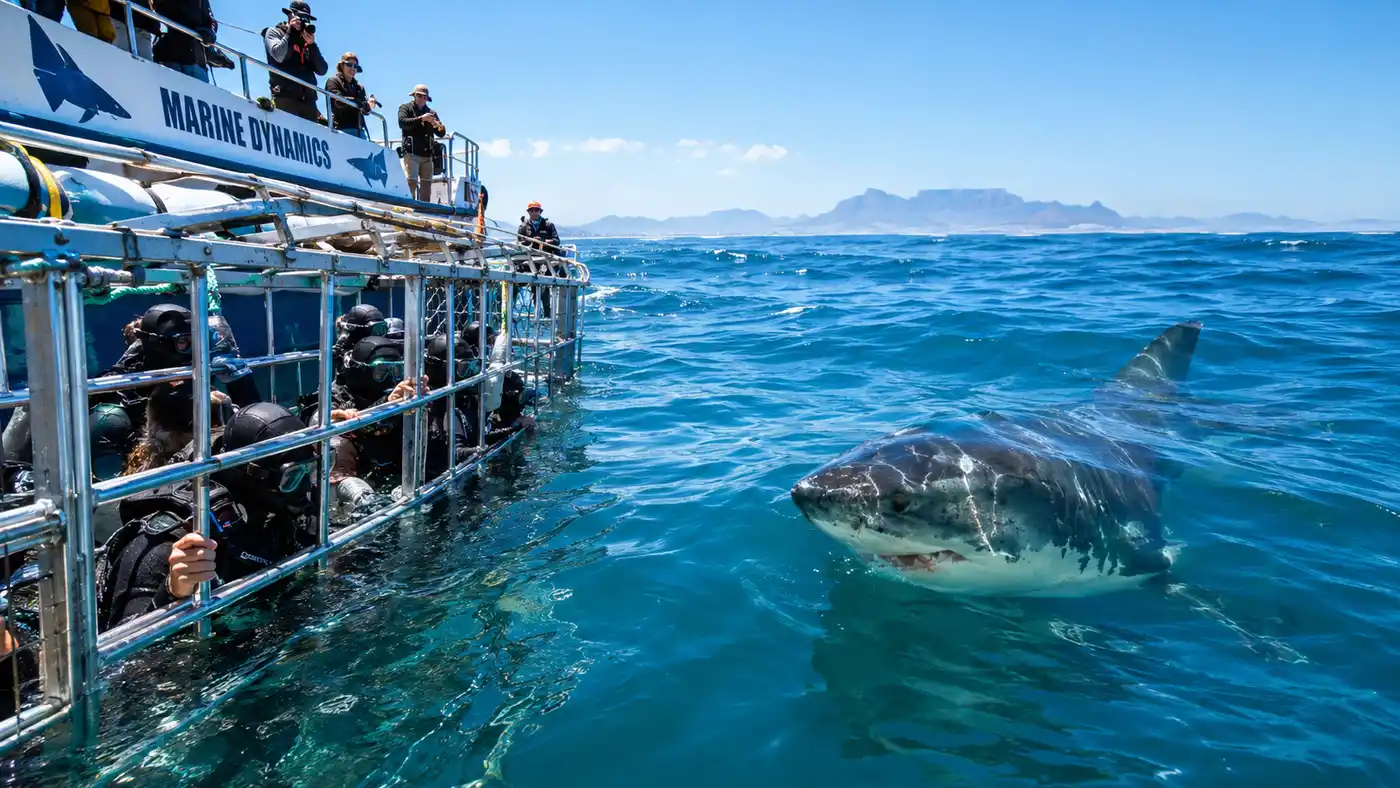
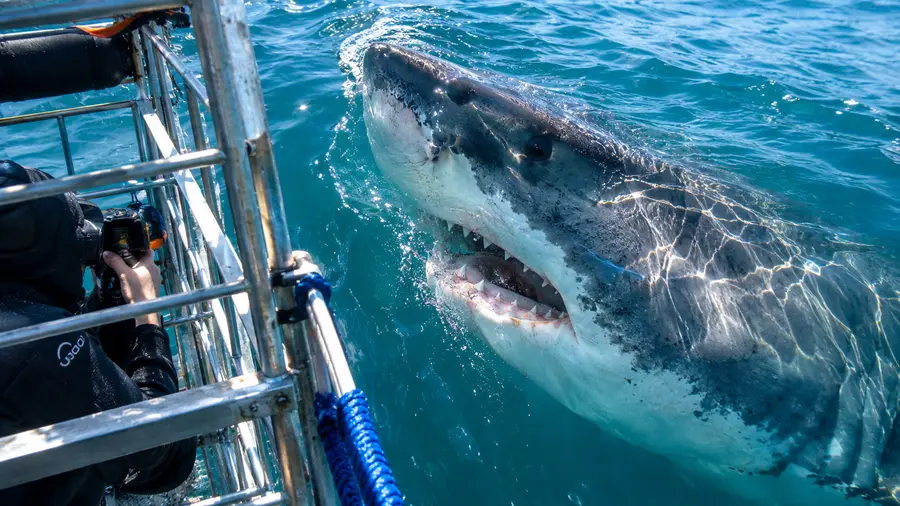
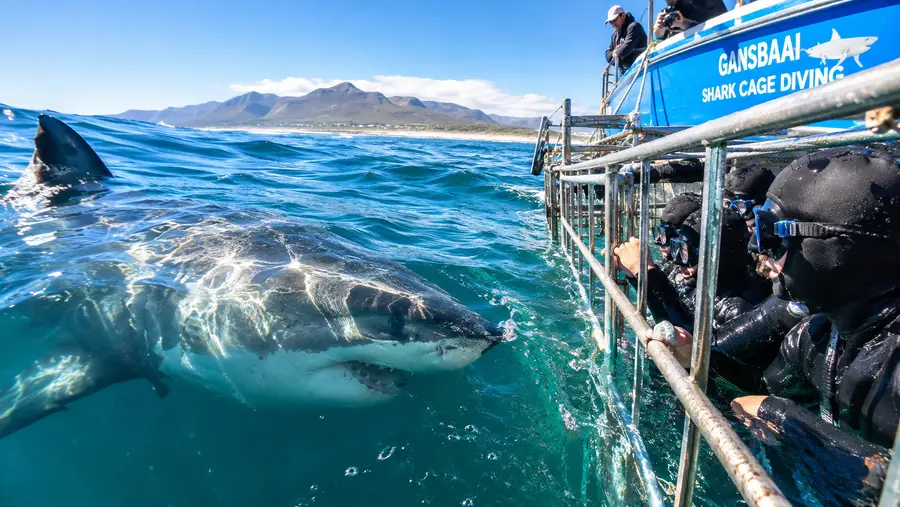
You arrive at the crew clubhouse for a light breakfast of muffins, scrambled eggs, and instant coffee. The dive master gathers everyone for a twenty-minute briefing. They explain the cage rules, how the boat moves through the chop, and why you never stick your hands or feet outside the bars. You will pick up your rental gear, which consists of a 7mm farmer-john style wetsuit, booties, and a dive mask. You do not need a scuba license. Nearly every operator uses surface-breath techniques, meaning you stand on a platform inside the cage with your head above water until the spotter on the boat deck yells "Diver down, left side!" Then you grab the interior handrail and pull yourself underwater to watch the animal pass.
Pro tip: Take a motion sickness tablet at least 45 minutes before you leave Cape Town, even if you rarely get seasick. Kleinbaai harbor can look calm, but drifting on anchor in three-meter Atlantic swells for three hours makes almost everyone slightly green.
The boat ride out to the dive area takes only 15 to 20 minutes. Once the skipper drops anchor, the crew begins chumming the water using a slick of minced pilchards and seawater. No shark is ever fed. The crew uses a soft wooden float on a rope to draw the sharks toward the cage for a brief look before pulling it away. A typical rotation puts four to six people in the cage at once for roughly twenty minutes per drop.
- Duration on the boat: roughly 2.5 to 3.5 hours depending on how fast sharks show up.
- Water temperature: usually sits between 13 and 17 degrees Celsius year-round.
- Cage setup: heavy galvanized steel or marine-grade aluminum lashed directly to the boat flank.
- Air supply: simple surface snorkeling or an optional hookah regulator system on select boats.
Planning the Trip: Logistics, Timing, and Costs
The drive from central Cape Town follows the N2 over Sir Lowry's Pass before splitting off onto the R43 past Hermanus. If you plan on doing a self-drive trip, leave early. The stretch between Stanford and Gansbaai often collects morning fog that slows down traffic to 50 km/h. If you are comparing regions for your holiday, take a look at our breakdown of shark cage diving near cape town locations explained to see how Gansbaai stacks up against False Bay or Mossel Bay.
Choosing between self-driving and booking operator transport depends on your energy levels. Driving yourself gives you the freedom to stop in Hermanus for lunch or check out the penguin colony at Stony Point in Betty's Bay on the way home. The tour buses save you from driving while exhausted after cold-water diving, but you will spend hours picking up other passengers from various city hotels.
| Trip Option | Approx. Cost (ZAR) | Total Travel Time | Key Benefit |
|---|---|---|---|
| Self-Drive Standard | R2,200 - R2,600 | 5 hours round-trip | Full schedule freedom afterward |
| With Shared Transfer | R2,800 - R3,400 | 7-8 hours total | No navigation or early morning driving stress |
| Private Day Tour | R6,500 - R9,000+ | Flexible | Includes coastal wine stops or whale watching |
Costs run fairly uniform across the half-dozen permitted companies operating in Kleinbaai. Most charge around 130 to 160 USD per diver, which includes gear, light food, safety equipment, and hot soup when you climb out of the ocean. Prices drop slightly for non-divers who just want to stay up on the viewing deck and film gansbaai shark watching from above.
Book your shark cage diving cape town experience:
The Variety of Sharks Gansbaai Operators See
People fixate on the great white, but the diversity in these waters is wild. The copper sharks are the headliners now. They are active, schooling animals that will buzz right past the mesh, eyeball to eyeball with divers. Sometimes you get three of them circling in tandem, rolling beneath the boat hull and surfacing right near the bait line.
Then you have the broadnose sevengill shark. These prehistoric looking creatures have blunt snouts, speckled grey skin, and only one dorsal fin set far back on their bodies. They look like living fossils. Sevengills thrive in colder, murkier water and tend to appear when the sea temperature drops below 14 degrees. They move with slow, deliberate sweeping motions, totally unfazed by the cage structure or the boat engines.
You might also spot pyjama catsharks or leopard catsharks closer to the shallow reefs, though they rarely bother with the offshore chum slicks. Marine life around Gansbaai is not limited to sharks either. Southern right whales fill the shallow bays between July and November, often breaching within a few hundred meters of the cage diving boats. Giant petrels, Cape gannets, and pods of common dolphins show up regularly. The sheer volume of wildlife around Dyer Island makes the trip worthwhile even on days when the sharks decide to play hard to get.
Practical Tips for Gansbaai Cage Diving
Do not underestimate the Atlantic. You are floating in an open bay exposed to Southern Ocean swells. Even on sunny days with zero cloud cover, the wind can produce a rough chop that tests your balance. Dress in layers that peel off easily. Bring a thick windbreaker, wool beanie, and dry socks for after the dive.
- Camera gear: use a wrist lanyard on your GoPro; if you drop it through the cage floor, it is gone into thirty feet of murky water.
- Wetsuit fit: grab a suit that feels slightly too tight on land; loose neoprene lets freezing water flush continuously across your chest.
- Mask defog: spit works, but baby shampoo rubbed on the dry glass before boarding works infinitely better.
- Seasickness routine: stay on the upper open-air deck and keep your eyes locked on the steady horizon rather than looking down inside the cabin.
- Cash on hand: carry 100 to 200 ZAR per person for the boat crew tip jar at the end of the excursion.
Most operators hand out dry robes or thick fleece ponchos the second you step out of the cage. Take them. The transition from 15-degree water into a 20-knot coastal wind will chill you down to your marrow within ninety seconds if you stand around in a dripping wetsuit.
Frequently Asked Questions about shark cage diving gansbaai
Do I need diving certification for cage diving gansbaai?
No certification is needed. The cages float securely at the surface, tethered to the boat. You stand inside with your head out of the water, holding onto internal handrails, and you simply pull yourself underwater when a shark approaches.
Are the sharks fed during the trip?
No, feeding sharks is strictly illegal under South African marine permits. Crews use natural fish oil and crushed sardines to scent the water, and pull a wooden or burlap decoy toward the cage to bring the shark in for a visual pass without feeding it.
What happens if bad weather cancels my dive?
Skilful skippers assess conditions daily at dawn. If sea swells or high winds make the Kleinbaai harbor slipway dangerous, the company will offer to reschedule your trip for the following morning or issue a full refund minus transfer costs.
Can children participate in a gansbaai shark cage dive?
Most operators set the minimum age for entering the cage between 10 and 12 years old, depending on the child's swimming confidence. Younger kids can usually join the boat as top-deck spectators if the swell is moderate.
Quick Reference
- Location: Kleinbaai Harbor, Gansbaai (2.5 hours from Cape Town)
- Primary Species: Bronze whaler (copper) sharks, sevengill sharks
- Water Temp: 13°C to 17°C (55°F to 63°F)
- Diving Style: Surface snorkeling inside a floating steel cage
- Best Whale Overlay: July through November
Book your shark cage diving cape town experience:
Is It Worth the Trip?
If you head out expecting a blood-pumping Jaws movie, you might feel confused by the steady, calm rhythm of the day. Shark cage diving cape town gansbaai is mostly about patience, salty patience, waiting on a boat deck while the scent trail drifts into the current. But when a three-meter copper shark materializes out of the green gloom, sliding past the cage bars with cold amber eyes tracking every movement, your breath catches. It remains one of the rawest wildlife encounters on the continent. Dress warmly, swallow the sea-sickness pill before the drive, and go with an open mind about whatever species decides to show up.
Read more about shark cage diving cape town.