Cape Town Shark Diving Season Best Time to Go
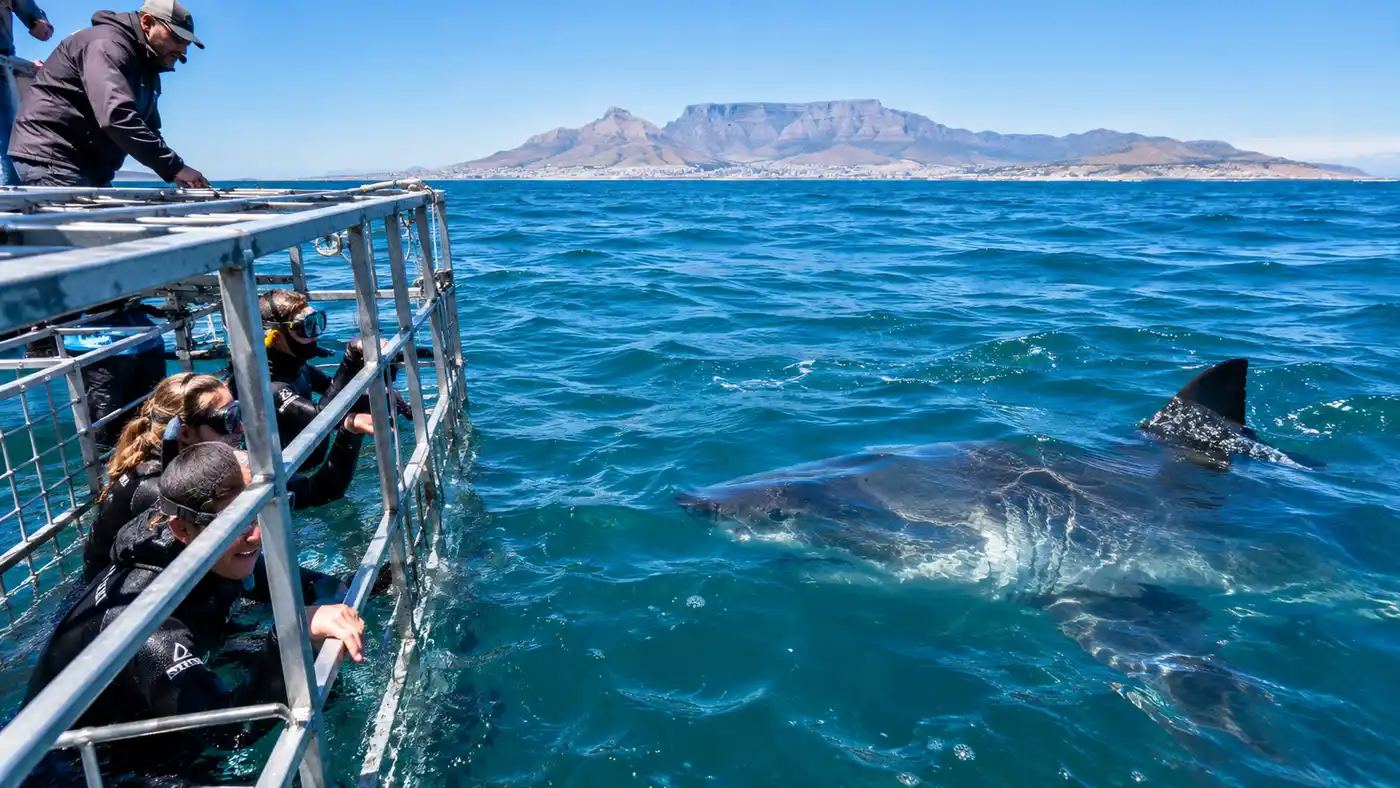
The wind off False Bay can cut straight through a fleece jacket by seven in the morning. If you stand on the harbor slipway in Simon's Town watching the crew load chum drums into the stern of a catamaran, someone will inevitably ask whether they picked the right month. Figuring out the cage diving south africa best time of year comes down to what you actually want to see in the water, because South Africa does not have just one simple shark season.
Between changing water temperatures, shifting visibility, and the dramatic arrival of pair-hunting killer whales that rearranged local ecosystems, the calendar looks quite different than it did a decade ago. Here is the realistic breakdown of when to head out, what species you will encounter, and how to avoid spending your holiday staring into milky green soup.
Book your shark cage diving cape town experience:
Winter vs Summer: Picking the Cape Town Shark Diving Season
Winter runs from May through August in the Western Cape. Most veteran skippers consider this the traditional peak for apex predators. During these colder months, juvenile Cape fur seals leave their colonies on Dyer Island and Seal Island to forage in open water, which turns the surrounding shallows into an active hunting ground. If you want a chance at seeing predatory behavior at the surface, May through July has historically delivered the highest odds.
Winter water around the Cape is actually clearer than summer water. The prevailing winter storms bring northwesterly winds that blow the choppy surface soup offshore, leaving behind bottom visibilities that often push past 8 or 9 meters. It sounds counterintuitive, but the ocean clarity is typically far better when the weather ashore is cold, damp, and blustery.
Summer brings entirely different dynamics. From November through March, the southeasterly wind - locally nicknamed the Cape Doctor - hammers the coastline. It drops coastal air temperatures pleasantly enough for beachgoers, but it triggers massive upwellings of cold, nutrient-rich water. Plankton blooms turn False Bay into a green haze where seeing your own boots on the cage rungs is a challenge. Even so, summer shark diving cape town trips stay consistently busy because daytime weather is sunny and bronze whaler sharks gather in large numbers around Gansbaai.
Pro tip: Give yourself a buffer of at least 3 open days in your itinerary. Ocean conditions here change on a dime, and boats routinely get scrubbed due to 4-meter swells even when the sky overhead is bright blue.
Month-by-Month Breakdown of South Africa Shark Diving Season
Conditions shift fast across the twelve months. To help you match your travel window with realistic expectations, here is how the marine year stacks up on the south coast:
| Month Range | Water Temp | Visibility | Dominant Shark Species | Surface Sea Conditions |
|---|---|---|---|---|
| May to August | 13°C - 15°C | 5 to 11 meters | Great white, sevengill | Large winter swells, rain squalls |
| September to October | 14°C - 16°C | 3 to 7 meters | Bronze whaler, great white | Transitional, moderate chop |
| November to February | 16°C - 20°C | 2 to 5 meters | Bronze whaler, hammerhead | Strong southeasterly winds |
| March to April | 15°C - 18°C | 4 to 8 meters | Bronze whaler, broadnose sevengill | Calm mornings, low swell |
If you find yourself booking a November Cape Town shark diving slot, expect warm weather topside and high shark energy around the boat. November sits right on the shoulder. Bronze whalers - also called copper sharks - arrive in packs of 10 or 15 individuals. They are bold, fast-moving animals that stay right beside the boat for hours, making for incredible surface action even if underwater visibility is limited to a few meters.
Water Visibility, Weather, and What Has Changed Since 2017
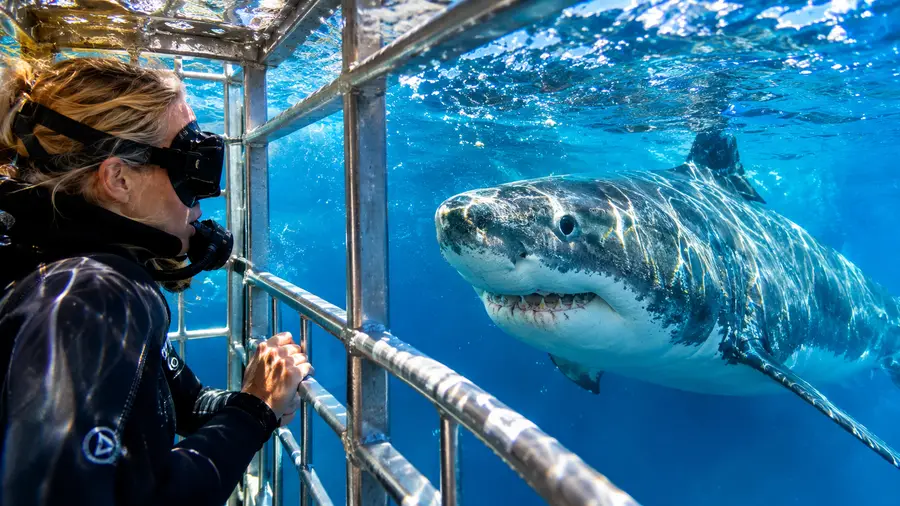
We need to talk about the orcas. Around 2017, two male killer whales named Port and Starboard moved into False Bay and Gansbaai with a specialized appetite for shark livers. Their presence caused a massive ecological displacement. Great white sightings became sporadic in bays where they were once guaranteed daily.
Because of this, the search for the best time to see great white sharks in cape town requires honesty. You cannot simply book a trip in June and assume a four-meter white shark will slam the bait line. Some weeks you get multiple white sharks cruising past the bars; other weeks, the cage diving cape town operators work exclusively with bronze whalers and broadnose sevengill sharks.
Sevengills are prehistoric relics. They look like swimming fossils, with blunt snouts, thick bodies, and cold, pale eyes. They moved into the shallower reefs after the whites vacated, and they do not mind freezing, murky water in the slightest. Watching a sevengill circle silently beneath the boat hull in 12-degree water is eerie and unforgettable.
Note: Wetsuits provided by operators are thick (usually 7mm), but your hands, feet, and face will still feel the bite of the Atlantic. If you get cold easily, bring a thermal rash vest to wear underneath.
Book your shark cage diving cape town experience:
Choosing Your Launch Site: False Bay vs Gansbaai
Location determines your timing just as much as the calendar month. Most travelers do not realize that the Cape Peninsula hosts distinct microclimates separated by towering mountain ridges.
- False Bay (Simon's Town): Only 45 minutes from central Cape Town, this route cuts down your transit time considerably. It runs best from February through July when pelagic and sevengill trips dominate, though white shark action here has been quiet recently.
- Gansbaai (Kleinbaai Harbor): Located about two and a half hours southeast of the city, this is the undisputed capital of the industry. The channel between Dyer Island and Geyser Rock - known as Shark Alley - stays active almost year-round. Learning the details of Gansbaai shark cage diving is essential before deciding which town to use as your base.
- Mossel Bay: A 4-hour drive along the Garden Route, Mossel Bay offers sheltered conditions inside a protected bay. It is often the most reliable spot for younger great whites during spring and summer when Cape Town's waters are whipped by gale-force southeasters.
I think too many people rush out on a one-day dash to Gansbaai and back. Driving 160 kilometers before sunrise, jumping into icy water for two hours, and driving back through Sir Lowry's Pass in the evening leaves you exhausted. Stay overnight in Hermanus or Stanford instead. You can sip cool-climate Pinot Noir, eat fresh fish, and arrive at the harbor rested.
How South Africa Compares to Global Destinations
Travelers often weigh the Cape against Australia. People asking about the Port Lincoln shark diving best time of year are usually planning a trip between December and May, when Neptune Islands see massive female whites arriving to hunt seal pups. South Australia offers crystal-clear, deep oceanic blue water that Cape Town rarely matches.
The Australian season peaks during the southern hemisphere summer and autumn, whereas South Africa's historical great white sweet spot was dead winter. South Africa remains substantially cheaper, though. A cage dive in Gansbaai runs around $160 to $190 per person, while an Australian liveaboard or full-day run out of Port Lincoln easily tops $400. You get world-class encounters in the Cape at a fraction of the cost, provided you accept the moody Atlantic weather.
If you want to maximize your odds, keep these booking rules in mind:
- Target the shoulder months: April, May, and September offer the sweet spot between decent top-side weather and solid shark activity.
- Book early in your stay: Put the shark tour on Day 2 of your trip. If the boat gets called off due to 30-knot winds, you can roll your seat over to Day 3 or Day 4 without missing out.
- Check the marine reports: Sites like Windguru give honest swell forecasts. Anything over 3.5 meters means you should take your motion sickness pills an hour before setting foot on the dock.
- Ask operators about recent sightings: Ethical operators will tell you straight up whether they have logged white sharks, bronze whalers, or sevengills over the past 48 hours.
Frequently Asked Questions about cage diving south africa best time of year
What is the absolute best month for shark diving in Cape Town?
May through July offers the best combination of water clarity and predatory shark presence, though bronze whalers keep trips thrilling from October through March.
Can you go cage diving in Cape Town in December and January?
Yes, boats run daily throughout summer. While great white sightings are rare during these months, bronze whaler sharks are abundant and surface conditions are generally sunny.
Is winter too cold for cage diving?
The water hovers around 13°C to 15°C, which is brisk, but operators supply 7mm wetsuits, booties, and hooded vests. The adrenaline keeps most people from noticing the chill until they get out.
Do you need scuba certification to cage dive in South Africa?
No certification is required. The cages float at the surface tied directly to the boat, and divers use simple breath-hold techniques or surface-supplied hookah air lines.
Quick Reference
- Peak Visibility: May to August (6 - 11 meters)
- Bronze Whaler Season: October to April (high activity)
- Water Temperatures: 13°C (winter) to 19°C (summer)
- Typical Trip Duration: 3 to 4 hours on the water
Book your shark cage diving cape town experience:
The Bottom Line
There is no bad time to get into the water off the Western Cape, provided your expectations are calibrated to reality. If you arrive in June, brace for cold swells and crisp visibility. If you arrive in December, expect warm boat decks and curious copper sharks circling inches from the galvanized steel mesh. Pick your launch town carefully, give yourself a couple of weather-buffer days, and prepare for one of the wildest marine encounters on the planet.
Read more about shark cage diving cape town.