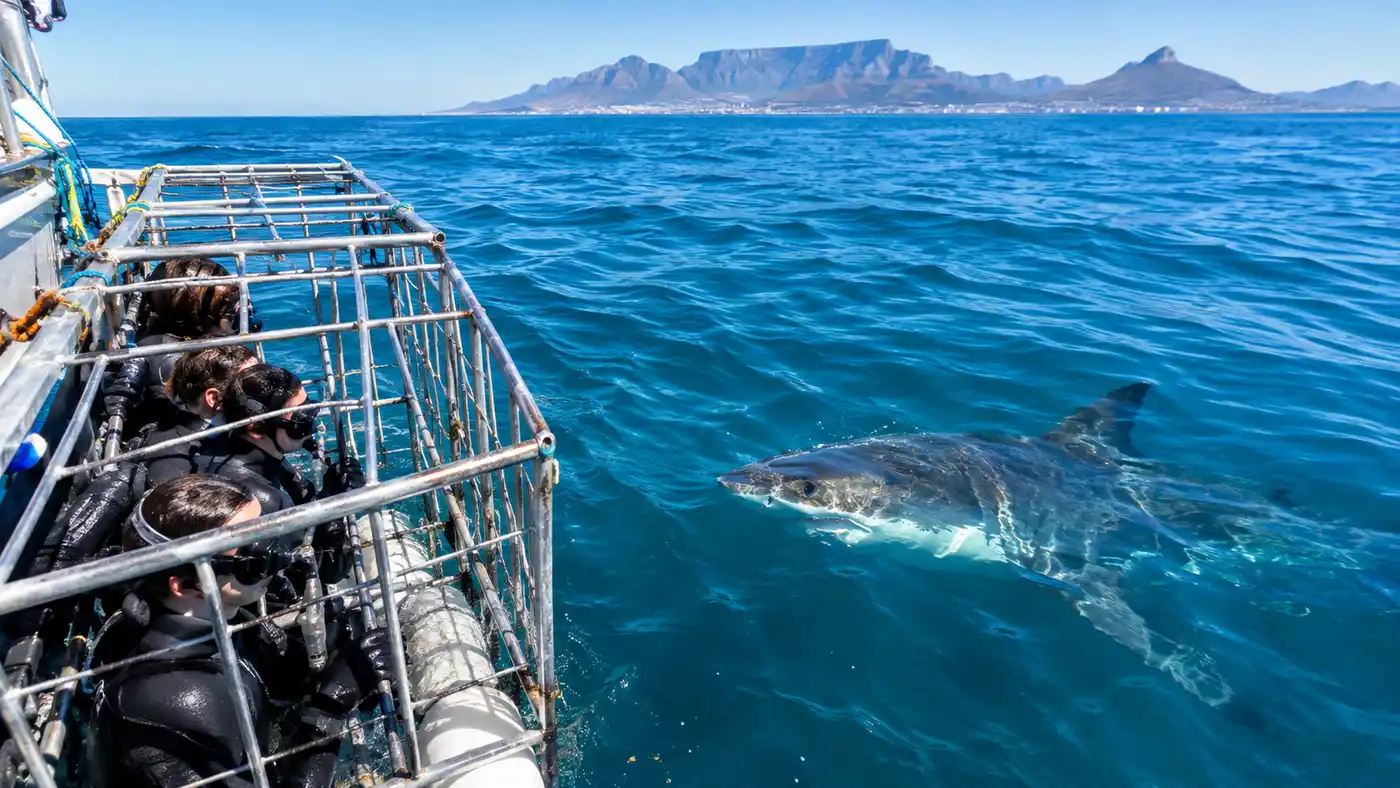
Shark Diving in Cape Town South Africa
You stand on the deck of a 36-foot catamaran around seven in the morning, holding a chipped mug of rooibos tea while the Atlantic swell churns beneath your boots. The air off the Western Cape smells heavy with kelp, salt, and diesel fumes. Nothing prepares you for the sheer bulk of an apex predator slipping through that green water beside you, its dorsal fin slicing cleanly through the surface chop without making a sound. If you are planning an adventure around shark diving in cape town south africa, you quickly learn that this corner of the world treats the ocean with a blend of nervous reverence and raw adrenaline.
The coastline around the Cape Peninsula is one of the most marine-rich environments on Earth, though it has changed quite a bit over the last decade. Orcas moved into the traditional bays, white sharks shifted their patrol grounds, and bronze whaler sharks stepped up to fill the void. Planning a cage dive here requires a bit of practical groundwork, an open mind about what species you will actually encounter, and a stomach ready for choppy seas.
Book your shark cage diving cape town experience:
Where Shark Diving in Cape Town Actually Takes Place
Most travelers assume boats pull out directly from the Victoria & Alfred Waterfront. In reality, you almost always board a van long before sunrise. The cold Benguela current wraps around the Cape Peninsula, creating very specific microclimates and feeding grounds scattered across hundreds of kilometers of rocky coast.
Gansbaai sits roughly two and a half hours southeast of the city center. It has earned a worldwide reputation as the great white shark capital, centered around the narrow channel between Dyer Island and Geyser Rock known locally as Shark Alley. Around 55,000 Cape fur seals live on those rocks, creating an irresistible dinner bell for passing predators. When people talk about booking a tour for Gansbaai shark cage diving, this is the exact wild passage of water they mean.
False Bay is much closer to town, about 45 minutes south through the suburbs toward Simon's Town. Seal Island in False Bay was made famous by nature documentaries showcasing airborne white sharks breaching on decoy seals. Sighting dynamics here have been unpredictable lately, so many operators now run trips focused on blue sharks and shortfin makos out in the deep pelagic waters 20 nautical miles offshore.
Pro tip: Pack motion sickness pills containing dimenhydrinate and swallow one a full hour before boarding at the harbor, because the road across Sir Lowry's Pass alone can trigger an uneasy stomach.
Mossel Bay sits further east along the Garden Route, roughly four hours away. Some travelers head there when winter storms blow out the diving conditions around Gansbaai. It offers shallower, slightly warmer water with sheltered conditions inside the bay.
| Launch Location | Drive from Cape Town | Typical Water Temp | Primary Shark Species |
|---|---|---|---|
| Gansbaai | 2.5 hours | 14°C to 18°C | Bronze Whalers, Broadnose Sevengill, Great Whites |
| False Bay (Simon's Town) | 45 minutes | 13°C to 17°C | Sevengill, Bronze Whalers, Pelagic Blues & Makos |
| Mossel Bay | 4.5 hours | 15°C to 20°C | Juvenile Great Whites, Bronze Whalers |
Understanding the Cape Town Shark Diving Season
Water conditions dictate everything out here. You can pick your dates carefully, but winter gales or rogue cold fronts will always have the final say. A lot of visitors get caught off guard by how seasonal the visibility and animal behavior can be.
The traditional peak window for clear water and high shark activity runs from May through September. This coincides with the South African winter. The water is freezing, running around 13 degrees Celsius, but the underwater visibility regularly hits eight to ten meters. During these colder months, seal pups begin swimming farther from the safety of the rocks, which historically draws large hunting sharks right up to the coastal reefs. If you want to dive deep into timing, check out our full breakdown on the Cape Town shark diving season before locking in non-refundable flights.
Summer brings warmer days, lighter winds, and thick holiday crowds between December and February. Sighting numbers hold up well, though visibility often drops to three or four meters because plankton blooms turn the surface cloudy green. Bronze whaler sharks love this warmer water, often arriving in packs of five or ten individuals that stay right around the boat for hours.
Deciding on the shark diving cape town best time of year comes down to a trade-off between sea conditions and surface weather. Winter gives you dramatic encounters and clearer water, but you run a higher risk of tours being canceled for three straight days due to five-meter ocean swells.
Note: Great white sightings fluctuate heavily along the Western Cape due to transient pairs of killer whales hunting them for their livers, so operators now target multiple shark species instead of promising whites alone.
The Experience: What Happens Out on the Boat
The alarm goes off at 4:15 AM if you book an early pickup from your hotel. The drive through the Overberg wine region is quiet and dark, with baboons occasionally sitting on the road barriers near Gordon's Bay. You arrive at the crew clubhouse, sign waivers, and eat a light breakfast of scrambled eggs and instant coffee while the marine biologist delivers the morning safety briefing.
Suiting up takes effort. Operators hand you thick 7mm neoprene wetsuits, booties, and a mask. Getting into damp 7mm neoprene in a salty wind is easily the least glamorous part of the trip. The boat ride out to the mooring spot takes anywhere from 15 to 30 minutes, bouncing across rolling swell that leaves your knees working overtime to keep balance.
Once the skipper drops anchor, the crew starts chumming. They use minced sardines and fish oil to lay a scent slick downwind. No meat is fed to the sharks; it is purely a visual and olfactory trail designed to invite curiosity. Then you wait. Sometimes a shadow materializes within three minutes. Other days you sit on the benches for an hour, watching yellow-nosed albatrosses glide over the wake while the skipper scans the dark water.
When the spotter shouts, the action moves fast:
- First group steps down: Four or five divers drop into the galvanized steel cage attached directly to the port side of the vessel.
- Submerging on command: There are no scuba regulators for standard cage dives; you breathe surface air until the divemaster yells "Down left!" then you pull yourself underwater using internal handrails.
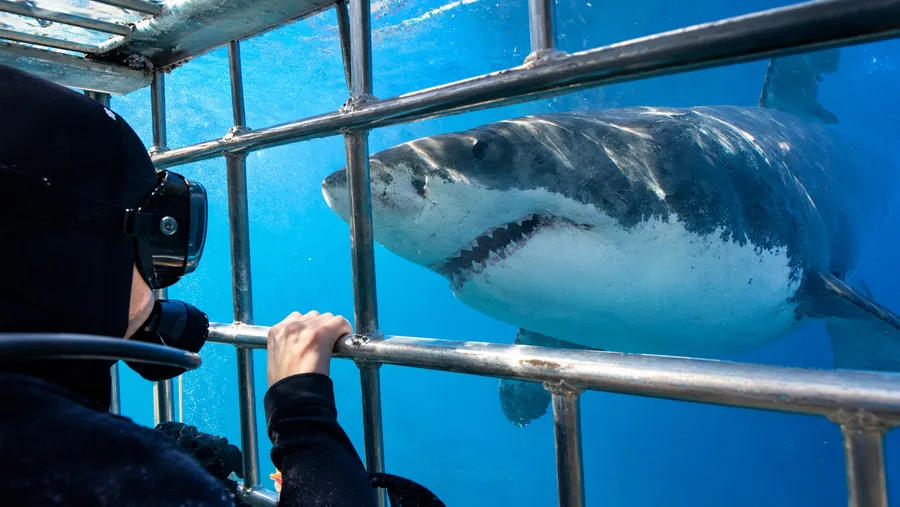
- The visual contact: You push your mask against the bars and watch a three-meter copper shark power out of the green gloom, eyes rolling back slightly as it inspects the tuna head trailing on a natural fiber rope.
- Rotation cycle: You stay submerged in 20-minute shifts until everyone on board gets two or three turns inside the cage.
It is surprisingly peaceful down there. The noise of the diesel engine fades into a dull rumble, replaced by the clanking of steel, the muffled bubble trails, and the heavy sweep of a tail fin pushing tons of muscle through water just inches from your chest.
Book your shark cage diving cape town experience:
Preparation, Safety, and Gear Essentials
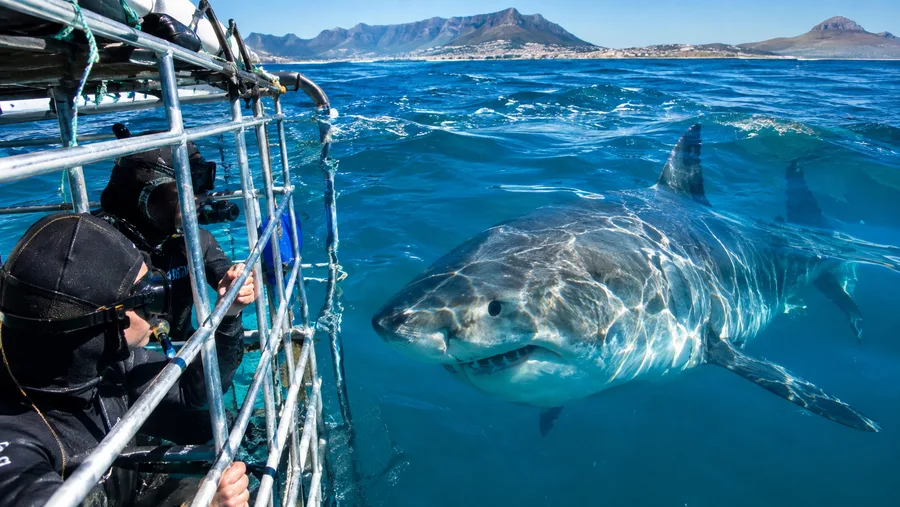
People worry endlessly about safety, which is natural when you willingly lower yourself into a feeding slick. The truth is that shark cage diving in South Africa has an exceptional safety track record spanning more than three decades. The cages are over-engineered steel boxes bolted securely to the boat, floating with about 30 centimeters of breathing space above the water level inside.
The real enemy out on the boat is cold and nausea. The South Atlantic does not care about your vacation plans. Even in mid-summer, spending two hours sitting in wind spray on an open deck leaches body heat remarkably fast. Dressing in strategic layers makes the difference between enjoying your morning and shivering miserably in the head compartment.
Here is what should be inside your daypack when the transfer van pulls up:
- Windproof jacket: A hooded waterproof shell is non-negotiable for the boat ride back against the wind.
- Dry thermal base layers: Pack a clean wool beanie, dry socks, and a heavy fleece sweatshirt to change into the second your wetsuit peels off.
- GoPro with a sturdy mount: Underwater cameras need a wrist lanyard because dropping a camera through the bottom bars means it belongs to the sea floor forever.
- Cash for crew tips: Around 150 to 200 South African Rand per person is standard for the deckhands who haul wet gear and help you in and out of the cage.
- Polarized sunglasses: Spotting sharks from the top deck through the surface glare is almost impossible without them.
You do not need any formal scuba certification. The cages sit flush at the water surface, meaning your head pops up into fresh air whenever you let go of the bottom handrail. It is essentially breath-hold snorkeling with an impenetrable steel barrier between you and the ocean's apex predators.
Choosing a Responsible Shark Diving Operator
The shark tourism market along the Western Cape is heavily regulated by the Department of Forestry, Fisheries and the Environment. Still, ethics and crew quality vary between outfits. Choosing a responsible company ensures your ticket money directly funds marine research rather than exploitative practices.
Ask questions before handing over credit card numbers. Ethical outfits always carry a dedicated marine biologist or accredited researcher on board who collects dorsal fin identification photos and logs environmental data like salinity and water temperature on every single launch. They also practice gentle bait handling, pulling the decoy away before the shark rams into the steel bars. Sharks can easily chip their teeth or scratch their snouts on metal frames if sloppy operators pull bait directly into the cage structure.
You might want to confirm their cancellation and reschedule policies too. If sea swells exceed four meters or gale winds lash the bay, safe skippers stay tied to the jetty. Reputable operators will immediately rebook you for the following morning or issue a prompt refund minus a tiny administrative fee. Never book with an outfit that insists on going out into rough water when every other boat in the harbor remains tied up at the slip.
Taking part in shark diving in south africa cape town should feel like an educational field expedition. When done right, you walk away with a genuine respect for these maligned animals, far removed from the sensationalized horror movie tropes that dominate television.
Frequently Asked Questions about shark diving in cape town south africa
Will I definitely see a great white shark?
No, sightings of great whites cannot be guaranteed. Due to transient orca pods hunting in Gansbaai and False Bay, white shark movements have become nomadic. You are far more likely to see bronze whaler sharks, broadnose sevengill sharks, and occasionally shortfin makos.
Do I need scuba diving experience to go cage diving?
None at all. Most cage diving tours use a breath-hold technique where you stand on a platform inside the floating cage with your head above water, pulling yourself under whenever a shark approaches. A few operators offer hookah air systems, but prior certification is never required.
How cold is the water around Cape Town?
The Atlantic water temperature typically ranges between 12°C and 18°C (53°F to 64°F) depending on the season and prevailing currents. Operators provide thick 7mm wetsuits, hoods, and booties to keep you comfortable during your cage shifts.
Quick Reference
- Drive time: 2 to 2.5 hours to Gansbaai
- Visibility: 3m summer to 10m winter
- Suit thickness: 7mm neoprene supplied
- Total trip time: 8 to 10 hours door-to-door
- Certification: None required
Book your shark cage diving cape town experience:
The Bottom Line
Shark diving along this wild coast is unpredictable, physically demanding, and rarely looks like the airbrushed brochures. You will probably feel chilly, you might get a touch seasick, and you may end up watching copper sharks rather than the legendary great white of movie lore. Yet when that broad, slate-grey snout emerges from the shadows of the kelp forest to lock eyes with you through the cage bars, every ounce of effort fades into memory. Book your trip with a flexible schedule, give the ocean a two-day window to cooperate, and prepare for an encounter that will stay with you long after the salt washes off your skin.
Read more about shark cage diving cape town.